







For most Indian businesses in 2026, the best payment gateway is Razorpay if you want the widest product range and the easiest developer experience, Cashfree Payments if you want a slightly lower published rate and fast payouts, and PhonePe PG or Paytm PG if most of your customers already pay by UPI. On official rate cards, Razorpay's standard plan charges a 2% platform fee, Cashfree lists 1.95% for domestic cards, netbanking and wallets, and PhonePe and Paytm both publish 1.99%. PayU lists 2% for Visa, Mastercard and netbanking. None of these charge a setup fee on their standard plans, and GST at 18% is added to the fee, not to your sale.
Below we compare eight payment gateway companies in India, explain how UPI pricing really works, and show how to pick the cheapest gateway for your transaction mix rather than the one with the lowest headline number.
How payment gateway charges work in India
Every successful online payment attracts a fee, usually called the MDR (merchant discount rate) or the gateway's "platform fee". Three things decide what you actually pay:
- Payment method. UPI and RuPay debit cards are treated differently from credit cards, and international cards, American Express and Diners cost more.
- Your plan. Standard plans have a published rate. High-volume businesses get custom pricing that is usually lower.
- GST. 18% GST is charged on the gateway's fee. A 2% fee therefore costs you 2.36% of the transaction.
Most gateways today have no setup fee and no annual maintenance charge (AMC) on standard plans. Older enterprise contracts, and some CCAvenue plans, still carry setup or annual charges, so read the agreement.
UPI payment gateway charges
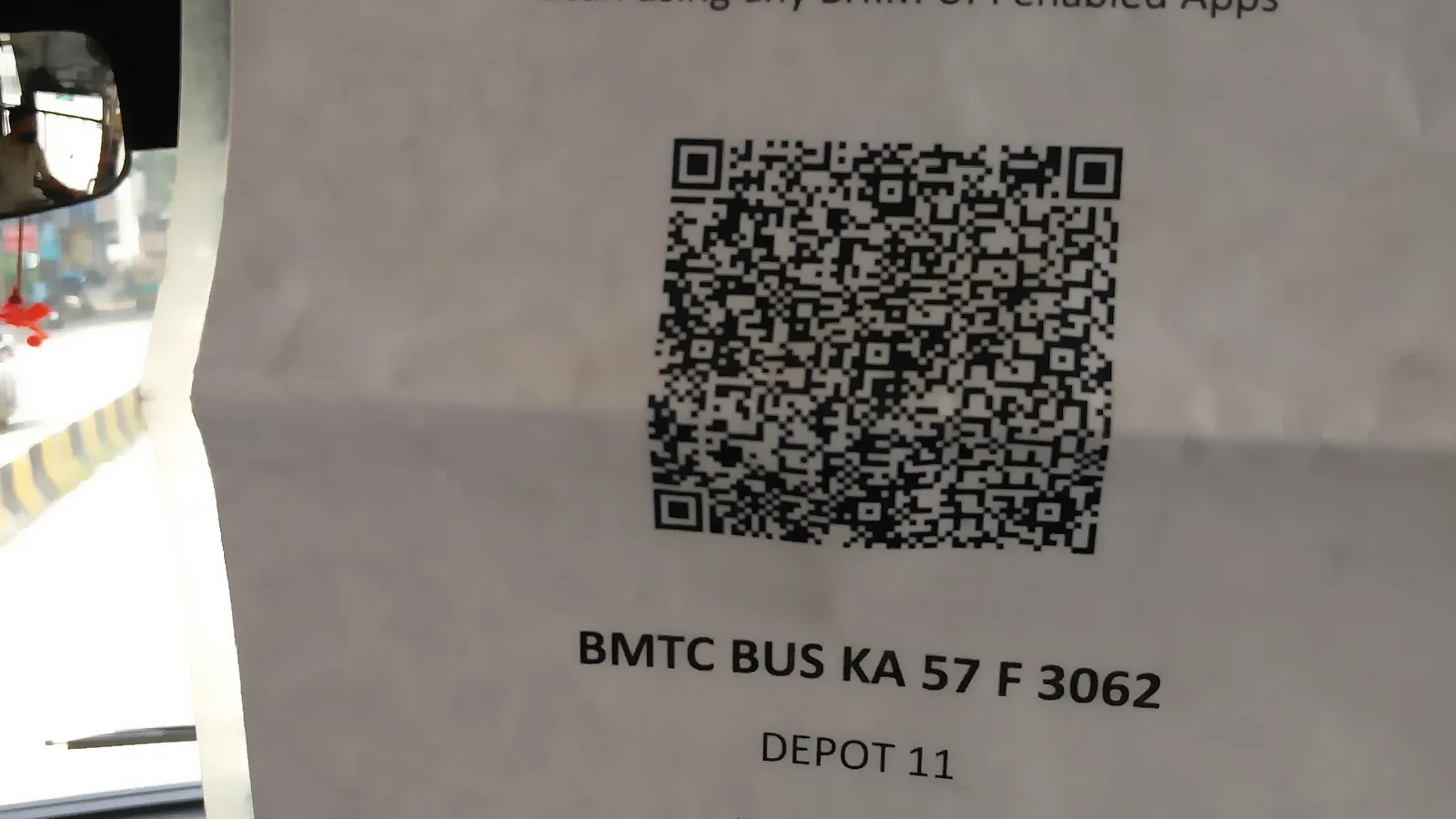
Under RBI and government policy, UPI person-to-merchant payments carry zero MDR. That does not always mean a gateway charges nothing on UPI. How each gateway treats UPI on its official page:
- Razorpay describes UPI as "zero MDR" with a 2% platform fee on its standard plan.
- Cashfree says UPI charges are "as per the applicable law".
- PayU notes zero MDR for UPI under government guidelines, with merchant UPI pricing depending on business type and volume.
- PhonePe PG and Paytm PG publish a single 1.99% standard platform fee and do not break it down by method on their pricing pages.
If UPI is most of your volume, ask each gateway in writing what it charges on UPI for your category. This one line item changes your total cost more than anything else.
Payment gateway charges compared (2026)
All figures are from official pricing pages at the time of writing. They are for standard plans and exclude 18% GST.
| Gateway | Domestic cards / netbanking | International cards | Setup / AMC | Best for |
|---|---|---|---|---|
| Razorpay | 2% platform fee | Up to 3% | ₹0 / ₹0 | Startups and D2C brands wanting many products |
| Cashfree Payments | 1.95% | 2.99% (Visa/Mastercard), Amex 2.95% | Zero setup | Businesses needing payouts and split payments |
| PayU | 2% (Visa, Mastercard, netbanking, wallets) | 3% (also Amex, Diners, EMI) | No setup or annual fee | Established e-commerce |
| PhonePe Payment Gateway | 1.99% standard plan | Not published | Free / Free | UPI-heavy consumer businesses |
| Paytm Payment Gateway | 1.99% standard plan | Not published | Zero / no AMC | Paytm-familiar customer base |
| Easebuzz | Custom, not published | Not published | Quote-based | Education, fee collection, SMEs |
| Instamojo | 5% + ₹3 (free plan), 2% + ₹3 (Growth plan) | Not published | Free plan available | Solo sellers, creators, tiny stores |
| CCAvenue | TDR varies by plan | Varies | Economy plan setup waived; higher plans have fees | Businesses wanting many payment options |
Razorpay
Razorpay is the gateway most Indian startups start with. Its official pricing page lists a 2% platform fee for domestic Visa, Mastercard, Amex and Diners cards, netbanking across its supported banks, and wallets. International cards cost up to 3%. Setup and annual maintenance are both ₹0, and 18% GST applies to the fee.
Strengths: very good documentation and plugins, payment links, payment pages, subscriptions and invoices on the same account, and a large ecosystem of integrations.
Watch out for: the 2% headline applies across most methods on the standard plan, so ask for custom pricing once your monthly volume grows.
Cashfree Payments
Cashfree Payments publishes one of the more detailed rate cards. According to its payment gateway charges page, domestic cards, netbanking and wallets cost 1.95%, international Visa and Mastercard cards cost 2.99%, and American Express costs 2.95%. There is no setup fee. It also lists add-ons: instant settlements at 0.30% (risk-based), Easy Split at 0.20% to 0.25%, and virtual bank accounts at ₹20 per transaction.
At the time of writing, Cashfree advertises zero platform fees on the first ₹20 lakh of GMV for new merchants until 31 March 2027. Check the current terms before you sign up.
Strengths: payouts, split settlements and subscriptions (Cashfree Subscriptions) sit alongside collections.
Watch out for: EMI and Buy Now Pay Later carry separate charges.
PayU
PayU is one of the oldest payment gateway companies in India. Its pricing page lists 2% for Visa, Mastercard, netbanking, BNPL and wallets, and 3% for Diners, American Express, EMI and international transactions. There are no setup, onboarding or annual fees. Standard settlement is T+2, and same-day settlement is available to eligible businesses, sometimes for a fee.
Strengths: mature risk systems, broad EMI and BNPL options, and custom MDR slabs for large merchants.
Watch out for: T+2 standard settlement is slower than some rivals.
PhonePe Payment Gateway
PhonePe Payment Gateway lists a 1.99% transaction fee on its standard plan, with free setup and no annual maintenance charge, on its official pricing page. The page does not break the rate down by payment method. An enterprise plan offers custom pricing for high-volume businesses.
Strengths: customers recognise the PhonePe brand at checkout, and UPI conversion is its core strength.
Watch out for: confirm method-wise pricing, especially for UPI and international cards, before you integrate.
Paytm Payment Gateway
Paytm Payment Gateway publishes a 1.99% platform fee plus 18% GST on its standard plan, with zero setup fee and no AMC or software upgrade charges, on its pricing page. As with PhonePe, the page does not show separate rates for each method, and enterprise pricing is custom.
Strengths: familiar brand, wide instrument coverage including EMI, and an offline range such as the Paytm Soundbox if you also sell in store.
Watch out for: ask for the method-wise rate card in your agreement.
Easebuzz
Easebuzz does not publish a standard rate card. Its pricing page says pricing is customised by business type and volume, and a representative shares the rates after KYC. Settlement is T+1 working day. It is popular with schools, colleges and housing societies for fee and dues collection.
Instamojo
Instamojo is the easiest option for individuals and very small sellers because it bundles a free online store and payment links. According to its pricing page, regular products cost 5% + ₹3 per transaction on the free Lite and paid Starter plans, and 2% + ₹3 on the Growth plan (₹14,999 a year). Digital products cost 10% + ₹3 on Lite and Starter, and 5% + ₹3 on Growth. GST is extra.
Instamojo is a "free payment gateway for website" in the sense that there is no plan fee on Lite, but the per-transaction rate is much higher than dedicated gateways. It makes sense only at low volume.
CCAvenue
CCAvenue offers more payment options than almost anyone, but pricing is plan-based. Its own press releases say the entry-level Economy plan has its setup fee waived, while premium plans have setup fees, and an Annual Software Maintenance Charge applies. Transaction rates vary by plan and are shown during sign-up. If you want CCAvenue, compare the full year's cost, including annual charges, against a zero-AMC gateway.
Other payment gateway providers in India
Our payment gateway category also lists Juspay (payment orchestration used by large merchants), BillDesk, Airpay, Zaakpay, Worldline India, and Stripe for businesses selling mainly abroad.
Which is the cheapest payment gateway in India?
The cheapest gateway depends on your payment mix, not on the headline rate. Work it out like this:
- Export three months of orders and split the value by UPI, debit card, credit card, netbanking and international.
- Apply each gateway's method-wise rate to each bucket.
- Add 18% GST on the fee.
- Add any settlement, refund or add-on charges you will actually use.
On published standard rates alone, Cashfree (1.95%) and PhonePe or Paytm (1.99%) are slightly below Razorpay and PayU (2%). But a business doing ₹10 lakh a month mostly through UPI may pay far less with a gateway that charges nothing on UPI than with one that has a lower card rate. Once you cross a few lakh a month, every gateway will negotiate.
What is the safest payment gateway in India?
All the major gateways here are regulated by the RBI under its payment aggregator framework and handle card data under PCI DSS. In practice "safe" means three things for you:
- Authorisation. Check the company appears on the RBI's list of authorised payment aggregators, or is operating under in-principle approval.
- Settlement reliability. Read the settlement cycle and the reasons funds can be held.
- Dispute handling. Ask how chargebacks are handled and what documentation you will need.
How to choose a payment gateway
- Check your category first. Gateways restrict some businesses, such as certain financial services, gaming or pharmacy. Confirm you can be onboarded before comparing prices.
- Match the product to your flow. A website checkout needs plugins for your platform. A service business may only need payment links, invoices or subscription billing.
- Compare settlement speed. T+1 versus T+2 matters for working capital. Instant settlement usually costs extra.
- Look beyond collections. If you also pay vendors or refunds in bulk, a gateway with payouts saves a second integration.
- Integrate with billing. Tools such as Zoho Books and Vyapar can record gateway payments against invoices. See our billing software guide.
- Get the rate card in writing. Especially UPI, international and Amex rates.
Recommendations by business type
- New D2C or SaaS startup: Razorpay or Cashfree.
- UPI-first consumer app: PhonePe PG or Paytm PG, after confirming UPI pricing.
- Schools, colleges and societies: Easebuzz or Cashfree.
- Freelancer or home seller: Instamojo to start, then move to a lower-rate gateway as sales grow.
- Large enterprise: Juspay for orchestration across several gateways, or negotiated PayU or Razorpay pricing.
FAQs
Which is the best payment gateway in India?
For most small and mid-sized businesses, Razorpay and Cashfree are the strongest all-round choices. PhonePe PG and Paytm PG suit UPI-heavy businesses, and PayU suits established e-commerce. The right choice depends on your payment mix and category.
What are UPI payment gateway charges in 2026?
UPI merchant payments carry zero MDR under government policy, but gateway treatment differs. Razorpay's standard page lists UPI as zero MDR with a 2% platform fee, while Cashfree says UPI charges follow applicable law. Ask each gateway for its UPI rate for your business.
Is there a free payment gateway for a website?
No major gateway is completely free. Razorpay, Cashfree, PayU, PhonePe and Paytm have no setup or annual fee, so you pay only per successful transaction. Instamojo has a free plan but charges 5% + ₹3 per transaction on it.
Which is the lowest-cost payment gateway in India?
On published standard rates, Cashfree lists 1.95% and PhonePe and Paytm list 1.99%, just under Razorpay and PayU at 2%. Your real cost depends on how much of your volume is UPI and whether you qualify for custom pricing.
Which payment gateway gives instant settlement?
Cashfree lists instant settlements at 0.30%, and PayU offers same-day settlement to eligible businesses. Razorpay and others offer faster settlement as an add-on. Standard cycles are usually T+1 or T+2.
Do I need a GST number for a payment gateway?
Most gateways onboard sole proprietors with PAN and bank details, but requirements depend on your business type and turnover. A GSTIN is often required for registered businesses. Check the KYC list during sign-up.
Is GST charged on payment gateway fees?
Yes. 18% GST is charged on the gateway's fee. For example, a 2% fee on a ₹1,000 payment is ₹20, plus ₹3.60 GST.