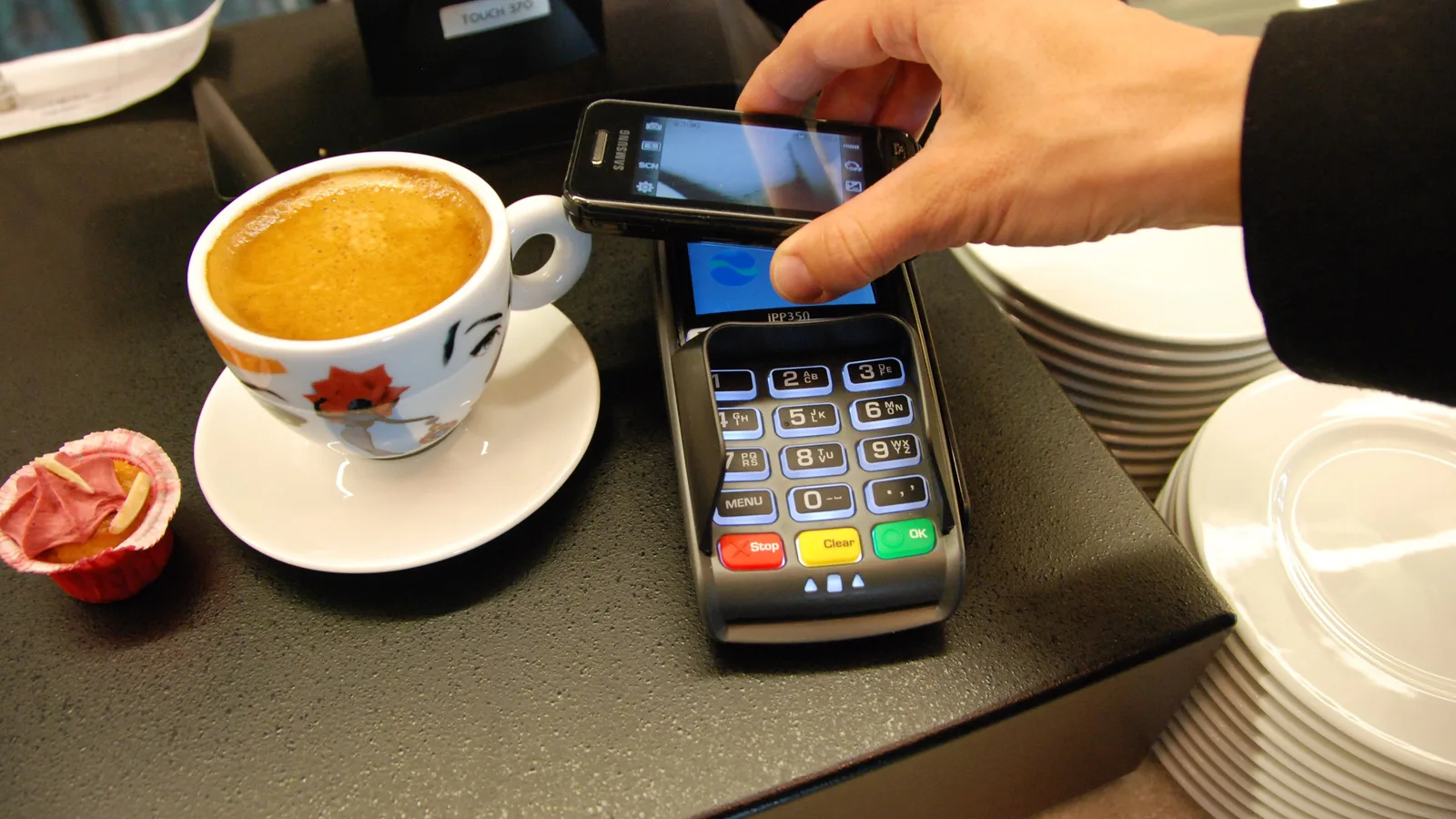
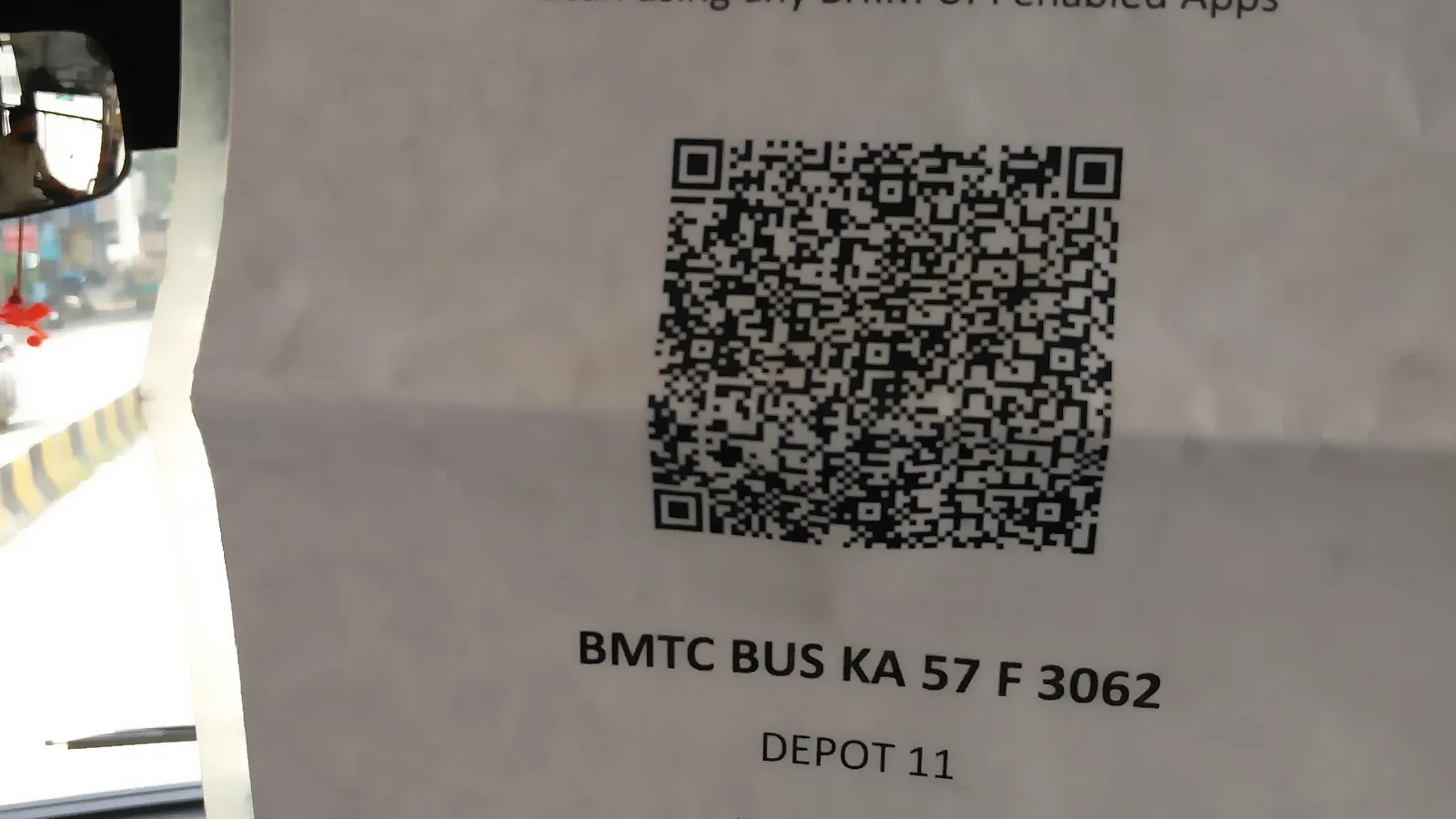








If your business mainly collects small UPI payments at a counter, start with a plain UPI QR or soundbox from your bank or payment app and add a gateway only when you need online checkout, payment links, reconciliation or recurring collections. If you sell online, pick a gateway on four things, in this order: the UPI fee actually written into your agreement, settlement speed, reconciliation exports, and support for UPI Autopay. Published list prices differ more on UPI than on cards. One large gateway lists UPI as "zero MDR" but still charges a platform fee on its standard plan, while another says UPI charges are "as per the applicable law". So "free UPI payment gateway" is a question to settle in writing, not something to assume from a marketing banner.
Executive summary
- UPI is now the default way Indians pay merchants. The Government's tenth-anniversary release says UPI processed 24,161.69 crore transactions worth about ₹314 lakh crore in FY 2025-26, and that person-to-merchant (P2M) payments made up 63% of volume (PIB).
- Merchant payments are small. The same release reports that 86% of P2M transactions were below ₹500, so a flat percentage fee on UPI adds up quickly for high-frequency, low-ticket businesses.
- "Zero MDR" and "zero cost" are not the same thing. Razorpay's pricing page lists UPI as "Zero MDR — 2% platform fee applies" on its standard plan, with 18% GST on platform fees (Razorpay pricing). Cashfree says UPI charges are "as per the applicable law" (Cashfree charges).
- Setup fees have mostly gone. Razorpay lists ₹0 setup and ₹0 annual maintenance. Cashfree says "ZERO setup fees". PayU says there are no setup or maintenance fees (PayU pricing).
- Recurring UPI is regulated separately. RBI's Digital Payments – E-mandate Framework, 2026 allows recurring debits of up to ₹15,000 per transaction without an additional factor of authentication and requires a pre-debit notification at least 24 hours before each charge (RBI).
- The real cost gap is negotiation, not the list price. In our illustrative model, a merchant collecting ₹6 lakh a month over UPI pays ₹14,160 a month at a 2% platform fee plus GST, and nothing on UPI if the fee is negotiated down to zero.
Market context
UPI's growth is well documented by official sources, so there is no need to rely on third-party market-size estimates. According to the Press Information Bureau's release marking ten years of UPI, annual volume grew from about 2 crore transactions in FY 2016-17 to more than 24,162 crore in FY 2025-26. Value rose from ₹0.07 lakh crore to about ₹314 lakh crore over the same period. The release lists 703 banks live on UPI as of March 2026 and puts UPI's share of India's digital payments at 85% in FY 2025-26 (PIB).
Two details in that release matter more to a merchant than the headline totals:
- P2M payments dominate volume but not value. They were 63% of transactions by count, while person-to-person transfers accounted for 71% of value. Merchants therefore handle many small payments.
- Tickets are tiny. 86% of P2M payments were below ₹500. A ₹300 kirana basket, a ₹150 cab ride or a ₹99 app subscription is typical UPI traffic.
Together these explain why pricing structure matters so much. For a small ticket, a fixed percentage fee plus 18% GST is proportionally the same as on a large one, but a business with thin retail margins feels it. They also explain why many offline merchants never need a gateway: a static or dynamic QR from their bank, with a soundbox for confirmation, covers counter payments. A gateway earns its keep when you need:
- online checkout on a website or app, with UPI intent and collect flows
- payment links sent over WhatsApp, SMS or email
- automatic reconciliation against orders, refunds and settlements
- recurring collections through UPI Autopay, cards or e-mandates
- a single dashboard across UPI, cards, netbanking, wallets and EMI
Regulation shapes recurring payments too. RBI's consolidated e-mandate directions, issued on 21 April 2026, apply to "all Payment System Providers and Payment System Participants in respect of processing of recurring transactions, domestic or cross-border, using cards / PPI / UPI". They set a ₹15,000 per-transaction limit without additional authentication (₹1,00,000 for insurance premiums, mutual fund subscriptions and credit card bills), require a pre-debit notification at least 24 hours ahead, give customers an opt-out, and bar charging customers for the e-mandate facility (RBI). If you plan subscriptions, read our subscription billing software coverage alongside this guide.
For a broader card-and-netbanking comparison, see our payment gateway charges comparison. This article focuses specifically on UPI.
Evaluation framework
The weights below are App Advisor's methodology for choosing a UPI-first gateway for an Indian small or mid-sized business. They are editorial judgements, not an industry standard. Adjust them if, for example, you run a marketplace where split settlements matter more.
| Criterion | Weight | What to check |
|---|---|---|
| UPI pricing in writing | 25% | The fee on UPI P2M written into your agreement, GST treatment, and any volume or category conditions |
| Settlement speed and reliability | 15% | T+1 versus instant settlement, weekend handling, instant-settlement surcharges |
| Reconciliation and reporting | 15% | Settlement-to-order mapping, downloadable UTR-level reports, accounting integrations |
| UPI flows supported | 10% | Intent, collect, dynamic QR, payment links, UPI Autopay |
| Checkout success experience | 10% | Retry flows, app-switch handling on Android and iOS, fallback methods |
| Other payment methods | 10% | Cards, netbanking, wallets, EMI and pay later for customers who do not use UPI |
| Onboarding and KYC | 5% | Time to activation, documentation for proprietorships and partnerships |
| Refunds and disputes | 5% | Refund fees, refund timelines, chargeback handling for cards |
| Support | 5% | Named account manager thresholds, support channels, escalation path |
A useful rule: if two gateways score within 5 points of each other, pick the one whose reconciliation reports your accountant can import without manual work. That saves more money over a year than a small difference in list price.
Vendor comparison
Prices below are taken only from each vendor's official pricing page as we accessed it in September 2026. "Not published" means we could not find a figure on the official page. Always confirm the rate in your merchant agreement, because published rates change and negotiated rates are common.
| Gateway | UPI (as published) | Domestic cards (as published) | Setup / annual fee | Recurring payments | Source |
|---|---|---|---|---|---|
| Razorpay | "Zero MDR — 2% platform fee applies" (standard plan); 18% GST on platform fees | 2% platform fee; corporate/business cards 2.15% | ₹0 setup; ₹0 annual maintenance | Subscriptions: 0.9% add-on (0.5% limited-time offer) plus standard platform fee | Pricing, Subscriptions |
| Cashfree Payments | "As per the applicable law" | 1.95% (festive offer) / 2.0% standard | "ZERO setup fees" | ₹7.50 per mandate creation; ₹5 per UPI Autopay presentation under ₹1,000, ₹15 at ₹1,000 and above | Charges |
| PayU | Page says UPI P2P has zero MDR and that merchant UPI pricing "varies by business type and volume" | Not published as a single domestic rate on the page we accessed; 3% listed for EMI, Amex, Diners and international | No setup or maintenance fees | Not published on the page we accessed | Pricing |
| Easebuzz | Not published on the page we could access; page describes an interoperable UPI QR and T+1 settlement for all payment modes | Not published on the page we could access | Not published | Not published on the page we could access | Pricing |
| PhonePe Payment Gateway | Quote | Quote | Quote | Quote | Vendor sales |
| Paytm Payment Gateway | Quote | Quote | Quote | Quote | Vendor sales |
How to read this table:
- Razorpay is the most transparent on list pricing. The trade-off is explicit: UPI carries a platform fee on the standard plan unless you negotiate otherwise.
- Cashfree publishes detailed card, EMI and subscription fees but ties UPI to "applicable law". Ask for the UPI P2M rate in writing before you sign.
- PayU says merchant UPI pricing depends on business type and volume, which means you need a quote.
- PhonePe and Paytm have strong consumer UPI apps. Their merchant gateway pricing needs a sales conversation. We have not listed numbers we could not verify.
Other options in our catalogue include Juspay (payment orchestration for larger merchants), Instamojo Payments for very small online sellers, and Zoho Payments for businesses already invoicing in Zoho. Browse the full payment gateway category and the UPI payment apps category.
Total cost of ownership
Illustrative model — assumptions stated. This is not customer data. It shows how published fees translate into a monthly bill so you can repeat the calculation with your own numbers.
Assumptions
- Online collections: ₹10,00,000 per month
- Mix: 60% UPI (₹6,00,000), 40% domestic consumer cards (₹4,00,000)
- No EMI, international or corporate cards
- GST at 18% on gateway fees, as stated on Razorpay's page. Where a vendor page does not state GST treatment, we flag it.
- Refunds, chargebacks and instant settlement are ignored
Scenario A: Razorpay standard published pricing
| Line | Calculation | Monthly cost |
|---|---|---|
| UPI platform fee | ₹6,00,000 × 2% | ₹12,000 |
| GST on UPI fee | ₹12,000 × 18% | ₹2,160 |
| Card platform fee | ₹4,00,000 × 2% | ₹8,000 |
| GST on card fee | ₹8,000 × 18% | ₹1,440 |
| Total | ₹23,600 | |
| Annualised | ₹23,600 × 12 | ₹2,83,200 |
Scenario B: Cashfree published card pricing, UPI to be confirmed
| Line | Calculation | Monthly cost |
|---|---|---|
| UPI | "As per the applicable law" — obtain the written rate | To be confirmed |
| Card platform fee (standard) | ₹4,00,000 × 2.0% | ₹8,000 |
| GST | Not stated on the page we accessed; confirm | To be confirmed |
Sensitivity: what negotiation is worth
- If the UPI fee in Scenario A is negotiated to 0%, the saving is ₹14,160 a month, or ₹1,69,920 a year, on these volumes.
- If the UPI share of your collections rises from 60% to 80% (card volume falls correspondingly), the UPI fee line rises from ₹12,000 to ₹16,000 before GST at a 2% rate. Every extra percentage point of UPI share makes the UPI rate matter more.
- For a counter-only business with no online sales, a bank QR and soundbox may remove the gateway cost entirely. Confirm any device rental with your bank or provider.
The model shows that for UPI-heavy merchants, the negotiated UPI rate outweighs every other line item. Put it first on your negotiation list.
Implementation roadmap
Weeks 1–2: Requirements and shortlist
- Map every collection flow: counter QR, website checkout, app checkout, payment links, invoices, subscriptions.
- Pull three months of payment data to estimate your UPI share and average ticket size.
- Shortlist three gateways and request written pricing for UPI P2M, cards, refunds and instant settlement.
Weeks 2–4: KYC and sandbox
- Submit KYC documents (PAN, GSTIN if registered, bank proof, business registration).
- Integrate in sandbox: UPI intent on mobile web, collect flow on desktop, QR on the checkout page.
- Test failure paths: app not installed, user cancels, timeout, duplicate callbacks.
Weeks 4–6: Reconciliation and accounting
- Map settlement reports to order IDs and your accounting ledger.
- Decide how gateway fees and GST on those fees are booked. Your accountant will need a monthly invoice from the gateway.
- If you use Zoho Books or TallyPrime, test the import format now, not after go-live.
Weeks 6–8: Controlled launch
- Launch to a share of traffic or a single product line first.
- Watch success rate, settlement timing and refund turnaround daily for two weeks.
- Keep your previous collection method live as a fallback until the numbers are stable.
Week 8 onwards: Optimise
- Renegotiate once you have three months of volume history.
- Add UPI Autopay or payment links if they suit your customers.
Risks and compliance checklist
- Written UPI rate. Your agreement states the UPI P2M fee, GST treatment and any conditions. Do not rely on a banner that says "free".
- Recurring payments follow RBI rules. Pre-debit notification at least 24 hours before each charge, opt-out available, and additional authentication above ₹15,000 per transaction (RBI).
- No fees charged to customers for e-mandates. RBI's directions state that no charges shall be levied on the customer for the e-mandate facility.
- Settlement account matches KYC. A mismatch between the business name and the bank account delays activation and settlements.
- Refund policy is published on your website and matches what the gateway can execute.
- Webhook security. Verify signatures on payment callbacks. Never mark an order paid from a client-side redirect alone.
- Data handling. Do not store card data yourself. Use the gateway's hosted or tokenised flows.
- Invoice for gateway fees. Collect GST invoices from the gateway every month so input tax credit can be assessed by your accountant.
- Exit plan. Keep order IDs gateway-agnostic so you can switch or add a second gateway without rebuilding checkout.
KPIs to track
| KPI | Definition | Why it matters |
|---|---|---|
| UPI payment success rate | Successful UPI payments ÷ UPI payment attempts | App-switch failures cost sales silently |
| Effective cost rate | Total gateway fees incl. GST ÷ total collections | The single number to compare gateways |
| UPI share of collections | UPI value ÷ total value | Tells you how much the UPI rate matters |
| Settlement lag | Average days from capture to bank credit | Working capital impact |
| Reconciliation exceptions | Payments that do not auto-match an order each month | Hidden accounting cost |
| Refund turnaround | Days from refund initiation to customer credit | Drives support tickets and disputes |
| Autopay mandate success | Successful mandate registrations ÷ attempts | Critical for subscription revenue |
Review these monthly. The effective cost rate and reconciliation exceptions together give a better picture of total cost than the headline fee.
How to choose
- Only counter payments, no website? Use a bank or payment-app QR and soundbox. A gateway is optional.
- Online sales, UPI share above 60%? Negotiate the UPI rate first. Shortlist gateways willing to put a UPI P2M fee in writing that fits your margins.
- Online sales with many card and EMI buyers? Compare card, EMI and pay-later rates as closely as UPI. Cashfree and Razorpay both publish detailed card and EMI lines.
- Subscriptions or recurring bills? Choose a gateway with UPI Autopay and e-mandates, and confirm its notification flow meets RBI's 24-hour pre-debit rule. See our subscription billing software listings.
- Invoicing B2B customers? Payment links tied to invoices, plus accounting integration, matter more than checkout. Consider gateways that plug into your accounting software.
- High volume and multiple gateways? Look at orchestration tools such as Juspay to route between providers.
FAQs
Are UPI payments free for merchants in India?
It depends on the product. Vendor pages describe UPI as zero-MDR, but gateways can still charge a platform fee. Razorpay's pricing page, for example, lists UPI as "Zero MDR — 2% platform fee applies" on the standard plan (Razorpay pricing). A bank QR for counter payments may have no per-transaction charge. Check your provider's written terms.
What are UPI gateway charges at Razorpay and Cashfree?
As published in September 2026, Razorpay lists a 2% platform fee on UPI on its standard plan, plus 18% GST. Cashfree states that UPI charges are "as per the applicable law" and publishes a 2.0% standard card rate (Cashfree charges). Both rates can be negotiated.
Is there a free UPI payment gateway?
Several gateways advertise zero setup fees and zero annual maintenance, but "free" usually refers to those fixed charges rather than per-transaction fees. Ask for the UPI P2M rate in writing. If you only need counter collections, a bank QR may be enough without a gateway.
Do I need a gateway if I already accept UPI through a QR code?
Not necessarily. A QR code handles in-person payments. You need a gateway when you sell online, send payment links, want automatic reconciliation with orders, or collect recurring payments through UPI Autopay.
What is the limit for UPI Autopay without OTP?
Under RBI's Digital Payments – E-mandate Framework, 2026, recurring transactions of up to ₹15,000 can be processed without an additional factor of authentication. The limit is ₹1,00,000 for insurance premiums, mutual fund subscriptions and credit card bill payments (RBI).
How fast do gateways settle UPI payments?
Razorpay lists T+1 and instant settlement cycles. Easebuzz's pricing page says settlements happen in T+1 working days for all payment modes (Easebuzz). Instant settlement is often charged separately, so confirm the fee.
How big is UPI in India?
According to the Government's release marking ten years of UPI, it processed 24,161.69 crore transactions worth about ₹314 lakh crore in FY 2025-26, with 703 banks live as of March 2026 (PIB).
Which UPI gateway is best for a small shop with an app?
For a small shop that also sells through an app, prioritise UPI intent support on Android, simple payment links, and a written low UPI rate. Compare Razorpay, Cashfree Payments and PayU on those three points, then check that settlement reports import cleanly into your billing or accounting tool.