AI-powered EMR for doctors built in Bengaluru.
RecommendedAI poweredMade in India
Starts at
Free plan
Free, independent software advice for Indian businesses
For software companies: reach Indian businesses ready to buy
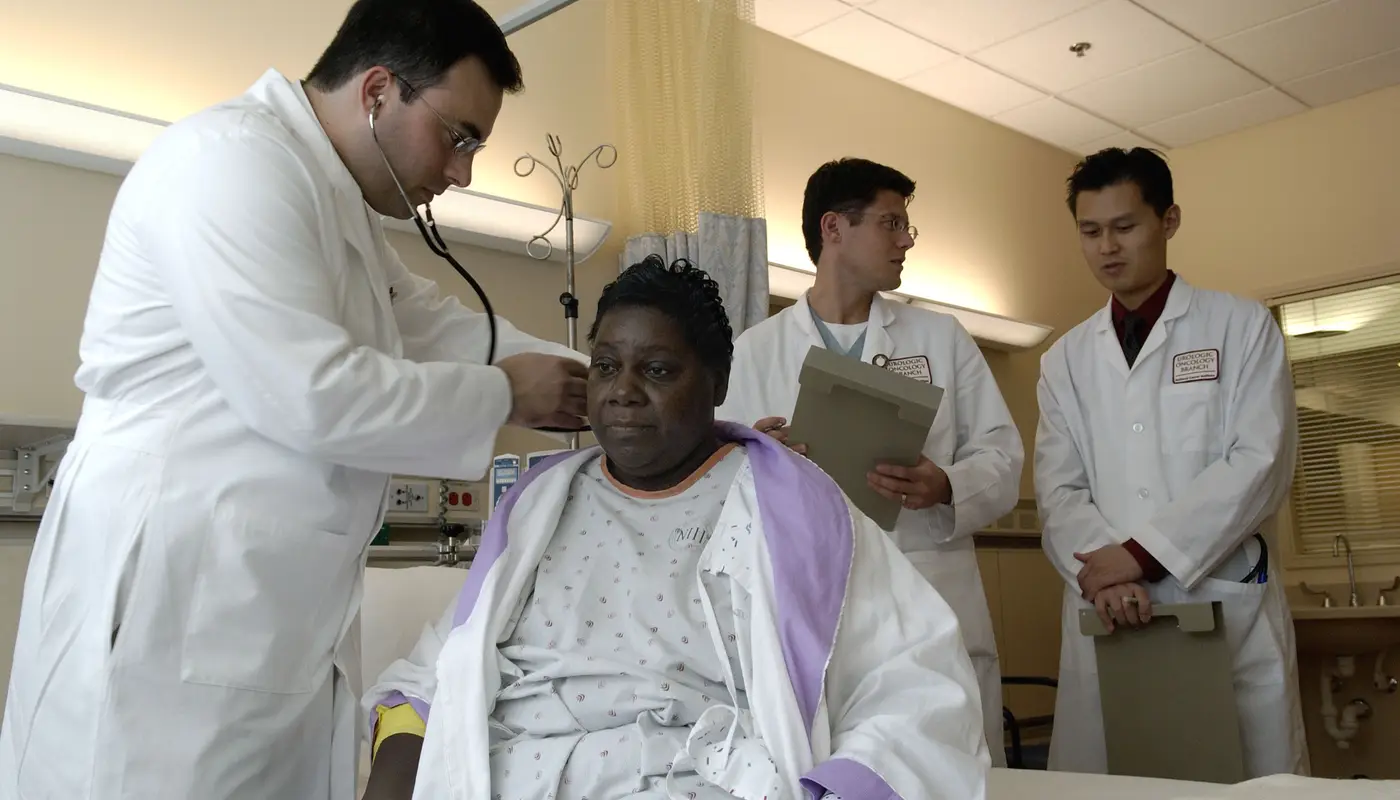
Clinical decision support
Compare clinical decision support software in India: CDSS alerts, AI diagnosis aids, drug interaction checks, EMR integration and how to evaluate vendors.
Quick answer
Clinical decision support software (CDSS) gives doctors and nurses patient-specific prompts at the point of care, such as drug interaction alerts, dose checks, diagnostic suggestions and guideline reminders. In India, CDSS usually comes built into an EMR or hospital information system, or as a standalone reference or AI tool that integrates with it. Choose one that fits your clinical workflow, uses evidence you can trace, and keeps the final decision with the clinician.
Doctors in busy Indian OPDs and wards make hundreds of decisions a day, often with incomplete histories and little time. Clinical decision support software brings the right information to the clinician at the right moment. It flags a drug interaction on an e-prescription, warns when a lab value is critical, suggests differential diagnoses, or reminds staff about a screening protocol. This guide covers what a CDSS does, how AI-based diagnostic support differs from rule-based alerts, what Indian hospitals and clinics should check before buying, and how to roll it out without drowning clinicians in alerts.
Options in India
Listed on App Advisor with pricing, features and alternatives. Not a paid ranking.
AI-powered EMR for doctors built in Bengaluru.
Starts at
Free plan
ABDM-enabled health records and doctor tools built in Bengaluru.
Starts at
Free plan

EMR and hospital management built in Pune.
Starts at
On request

Cloud hospital information system built in Gurugram.
Starts at
On request

Hospital management from Practo.
Starts at
On request

Enterprise EHR.
Starts at
On request

Enterprise EHR with Bengaluru office.
Starts at
On request

Drug reference.
Starts at
Free plan
Medical voice AI built in Mumbai.
Starts at
₹2,000/mo
Sell clinical decision support? Get your product listed.
A clinical decision support system combines patient data from the EMR (diagnoses, medicines, allergies, vitals, lab results) with a knowledge base or model and gives the care team a relevant suggestion. Rule-based CDSS runs defined logic, for example 'warfarin plus a new NSAID triggers an alert'. Knowledge-based tools provide drug monographs and clinical references. AI clinical decision support uses trained models to estimate risk, such as sepsis or deterioration, or to read images and ECGs. Whatever the type, a CDSS supports the clinician's judgement and does not replace it.
Drug databases must cover Indian brand names and fixed-dose combinations, not only generic molecules sold abroad. If your prescriptions are generic-first, check that the tool maps brands to molecules correctly. Protocols should reflect Indian practice and local disease patterns, including tropical infections and national treatment guidelines. NABH-accredited hospitals should use CDSS logs for medication-safety and quality indicators. If the tool relies on AI or processes identifiable data on external servers, check how it handles data under the Digital Personal Data Protection Act, 2023. Also ask whether the vendor is pursuing any regulatory clearance for software sold as a medical device.
The most common failure is too many alerts: clinicians learn to click through them and miss the important ones. Start with a small set of high-value rules, such as severe interactions, allergy conflicts and critical labs. Assign a clinical owner, usually a pharmacy and therapeutics committee, and review override rates each month. Train doctors and nurses on why each alert exists. Before go-live, test every rule against real patient records. Plan to retire rules that are overridden most of the time without harm.
FAQs
It is software that uses patient data and a clinical knowledge base or AI model to give doctors and nurses relevant alerts, reminders and suggestions at the point of care, such as drug interaction warnings or diagnostic prompts.
No single product suits everyone. Most Indian clinics get CDSS through their EMR's prescription alerts. Hospitals often combine HIS-native rules with a drug reference or AI tool. Choose based on your EMR, specialty mix and the safety problem you want to reduce.
AI tools can suggest likely diagnoses or flag risk, but the treating clinician remains responsible for the decision. Treat AI output as a second opinion and ask vendors for validation evidence.
Both exist. Basic alerts are often built into EMR and hospital management software. Advanced references, differential diagnosis tools and AI risk models may be separate products that integrate through APIs.
Rule-based CDSS follows explicit logic that clinicians define, so it is transparent and predictable. AI-based CDSS learns patterns from data and can detect subtler risks, but it needs validation, monitoring and explainability.
Launch only high-severity rules, tune thresholds, track overrides, and remove alerts that clinicians routinely dismiss without harm. A clinical committee should own the rule set.
Pricing depends on the model: it may be included in an EMR subscription, licensed per clinician or per bed, or charged per API call for AI services. Get written quotes that include integration and content-update fees.
Free shortlist
Related
Independent guide. Product facts come from vendors' official websites; confirm current terms in your demo.